Garifuna Language Preservation Program

Garifuna-Language-Preservation-Program-PSGTC.jpg

Keeping the language spoken, read, and written—every day.

The Garifuna Language Preservation Program puts the language where it matters most: in classrooms, on printed materials, and in everyday use among children, teachers, and families. Our approach balances formal instruction, joyful practice, and public celebration so learners build confidence term by term, school by school, community by community.

About the Garifuna Language Preservation Program

At its core, language preservation means routine, relevance, and reach. Routine comes from timetabled lessons and recurring activities that make Garifuna a normal part of school life. Relevance comes from materials and themes that connect to children’s worlds—songs, stories, proverbs, and simple dialogues they can use today. Reach grows through partnerships and public moments that invite communities to participate, recognize achievement, and keep practicing together.

We advance this work through four coordinated sub-programs, each designed to reinforce the others and to meet learners at different stages of growth.

Why the Garifuna Language Preservation Program matters now

A living culture needs a living language. When children can greet visitors, read a short text, explain a lyric, and write a simple note in Garifuna, identity shifts from memory to practice. Classrooms create scale—entire year groups learn together—and public celebrations sustain momentum. By aligning instruction, materials, teacher support, and community recognition, the Garifuna Language Preservation Program helps today’s learners grow into tomorrow’s fluent speakers, readers, and culture-bearers.

Top Donation $0.00
Average Donation $0.00

Recent Donations

Every campaign starts with one donation.

Be the one to make it happen!

Empty state icon

Top Donors

No top donors listed yet.

Be one of the first to make an impact!

Empty state icon

Our Sub Programs

Garifuna Language in Schools Program (GLISP)

GLISP delivers classroom instruction during the school day in multiple primary schools across southern Belize. It is managed by the Garifuna Language Commission and operated in formal partnership with the National Garifuna Council (NGC – National). GLISP supports teachers with a professional development pathway and provides classroom-ready resources, readers, posters, word/phrase cards, and simple audio, so lessons feel structured, visual, and interactive. The goal is to normalize reading, writing, and speaking in Garifuna for entire cohorts of children, not only after class or at special events.

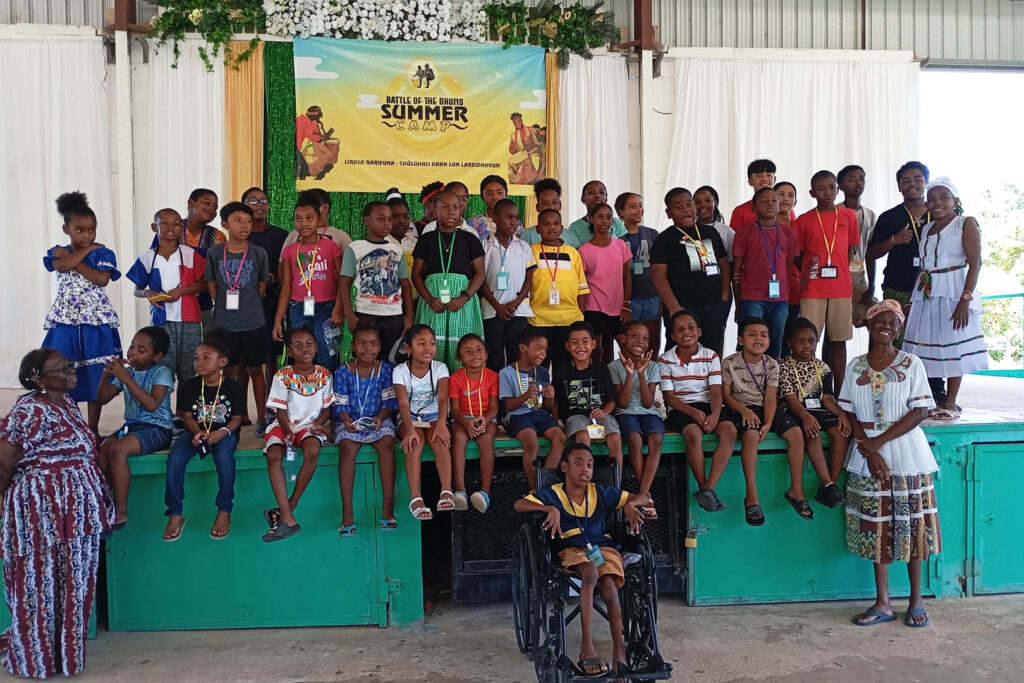
Annual Battle of the Drums Summer Camp

Each year, the camp’s theme and focus change, but the language strand remains a constant. Daily blocks reinforce pronunciation, common expressions, and short sight word tasks; then campers immediately apply new words in songs, stories, and/or cultural activities. This type of hands-on teaching helps children retain vocabulary and see how language carries meaning into music, dance, and everyday life. Beyond the language, the Annual summer camp teaches traditional skills and crafts native to the culture. 

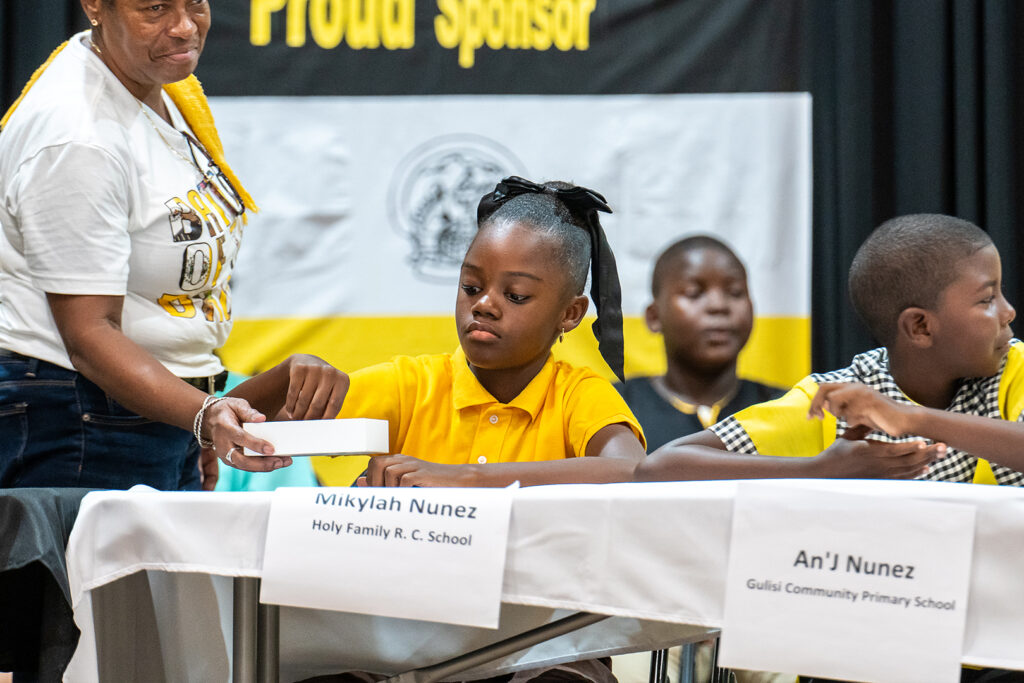
Primary Schools Garifuna Translation Contest

This friendly, high-energy contest invites students to translate words, phrases, proverbs, and short passages from English to Garifuna. The design encourages real literacy gains: learners connect vocabulary to context, refine spelling and grammar, and practice speaking clearly. Teachers receive simple rubrics and preparation tips, and schools celebrate results publicly to keep motivation high.

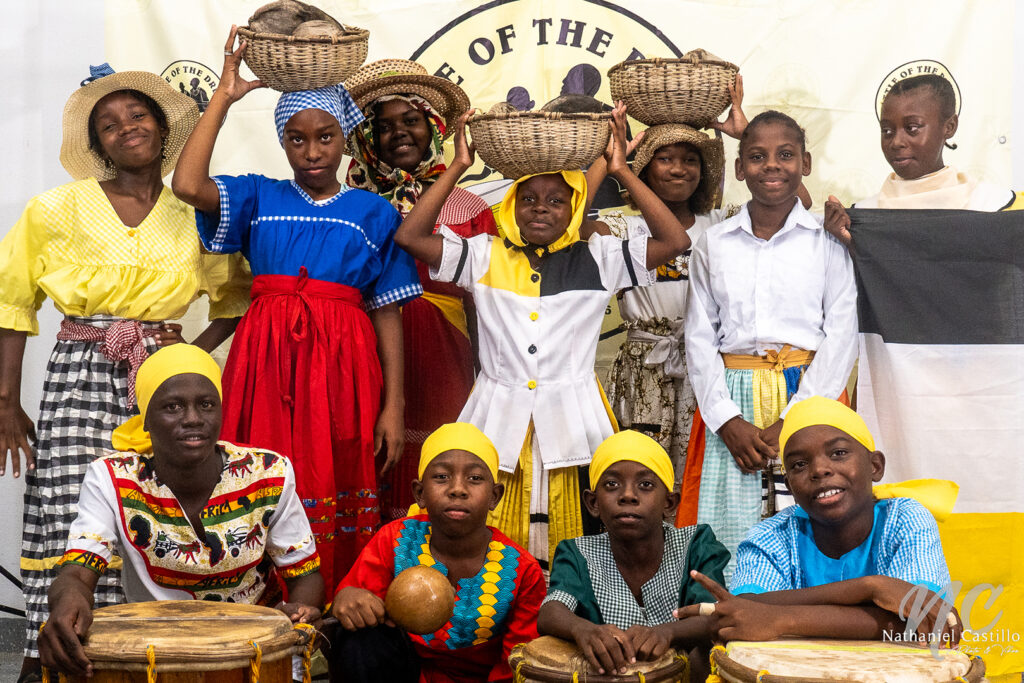
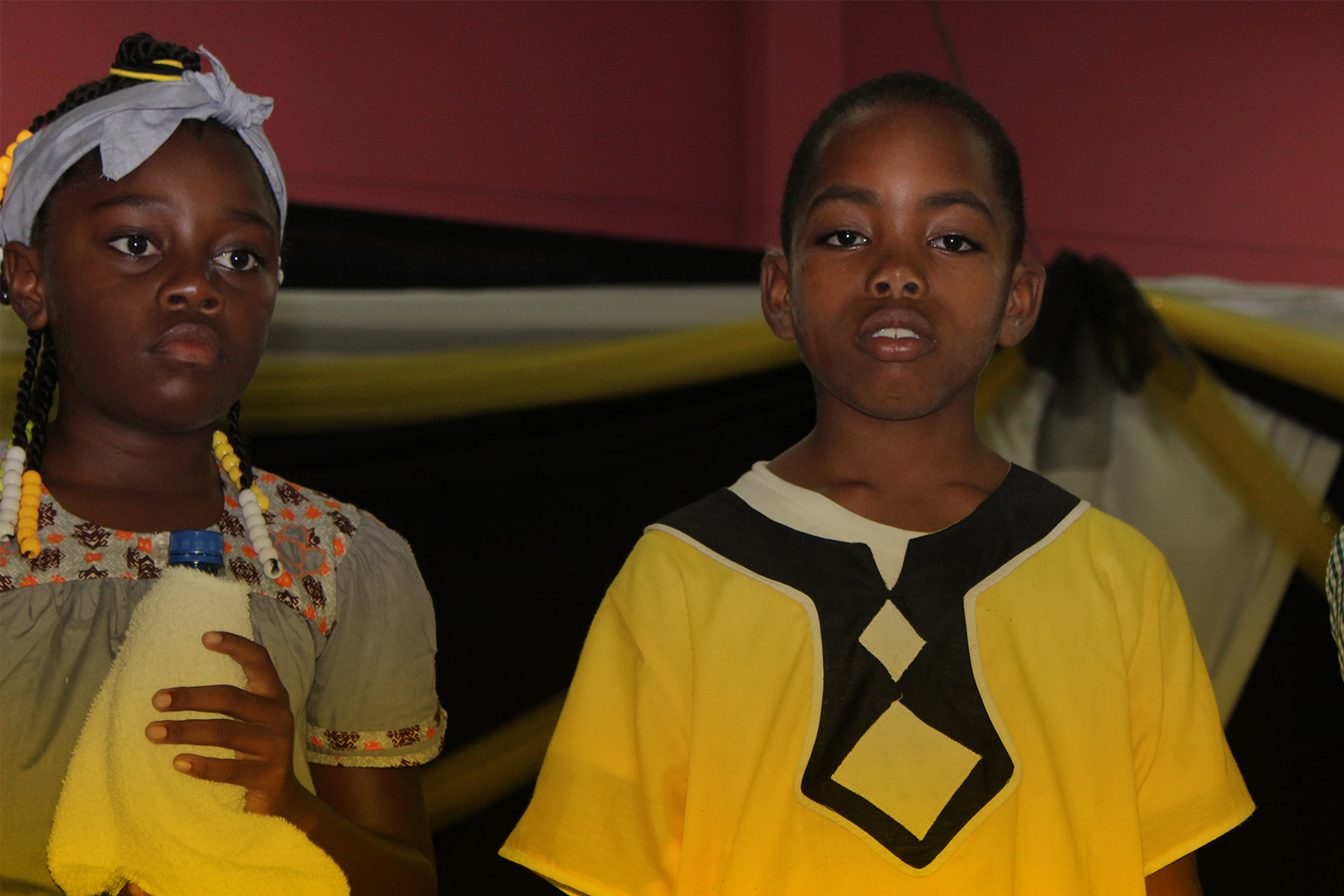
Annual Garifuna Children’s Talent Show

The talent show gives children a supportive stage where language meets performance. Short items—songs, poems, chants, and mini-skits—are delivered in Garifuna, with attention to clarity, projection, and understanding. Every participant is recognized, because the goal is steady practice and pride, not pressure.

Fund MoE-approved Garifuna classes: teacher training, materials, and lessons that keep the language alive in schools.