
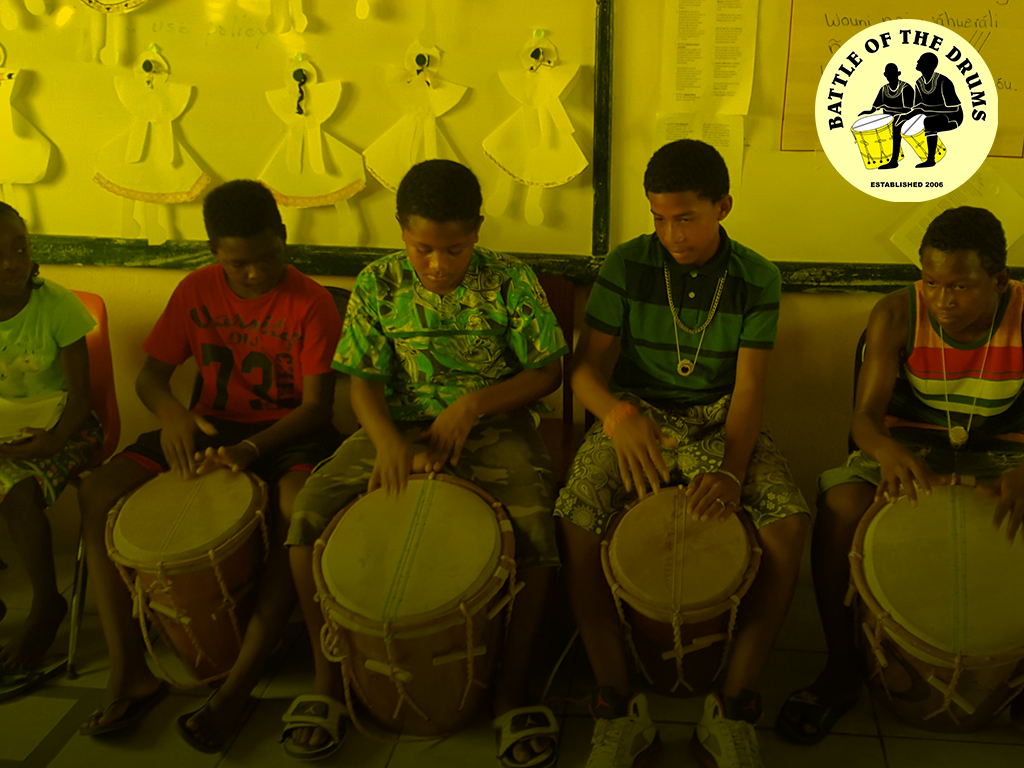
Garifuna After-School Program: Teach Drumming, Singing & Dance
Garifuna After-School Program sessions give youth structured, level-based training in drumming, singing, and dance every Saturday. The Garifuna After-School Program focuses on rhythm, voice, and movement—building ensemble skills through consistent practice with experienced facilitators. This weekly cadence turns curiosity into discipline and stage-ready confidence.
Why the Garifuna After-School Program Matters
Repetition builds mastery. By meeting on Saturdays, students gain predictable, focused time to develop foundation skills—timekeeping, call-and-response, breath and tone, posture, and coordinated movement. The result is stronger school and community ensembles and a reliable pathway for young performers to progress from beginner to advanced levels.
How Sessions Are Structured
Level-based cohorts. Students are grouped into Beginner, Intermediate, and Advanced so facilitators can teach the right techniques and repertoire at each stage.
Reliable weekly cadence. Saturday sessions keep momentum and make scheduling easier for families. Progress compounds when youths train with the same instructors and peers over time.
Pathways to performance. As skills grow, students strengthen school teams and community groups, creating a steady pipeline of young performers for larger stages.
What Your Support Makes Possible
-
Instruments & maintenance: practice drums (garawon, segunda, primera), sticks, replacement heads, tuning, and repair.
-
Learning materials: lyric sheets, guide charts, choreography notes, metronomes, and rehearsal audio.
-
Facilitator time: stipends for session leads and assistants, plus planning/setup/breakdown—essential for quality delivery.
-
Space & logistics: dependable venues, storage for instruments, mats for dance work, and seating/risers for vocal groups.
-
Student access: local transport support where needed; water and basic first-aid on site.
-
Coordination & safety: level placements, attendance tracking, parent communication, and safeguarding protocols.
How Giving Translates Into Impact
-
We run equipped, welcoming sessions that drive more consistent attendance.
-
Faster skill acquisition as students receive level-appropriate material and regular feedback.
-
Stronger ensembles in schools and communities—Saturday training boosts weekday rehearsals.
-
Richer repertoire as singers, drummers, and dancers progress through set pieces and performance goals.
-
We widen participation by removing barriers such as instrument shortages and transport hurdles.
Accountability You Can Expect
We track session counts delivered, average attendance by level, instrument inventory and maintenance status, materials distributed, and student progression (e.g., beginner → intermediate). End-of-term summaries roll up these indicators so supporters can see delivery and growth over time.
Ways to Help Today
-
Equip a level: underwrite the instruments and materials a single cohort needs for a term.
-
Back facilitator time: fund instructor stipends and planning hours to keep quality high.
-
Provide materials: cover lyric/guide packs, choreography notes, and rehearsal resources.
-
Support logistics: help with venue needs, storage solutions, or transport stipends.
-
Give monthly: sustain the cadence that turns interest into skill.